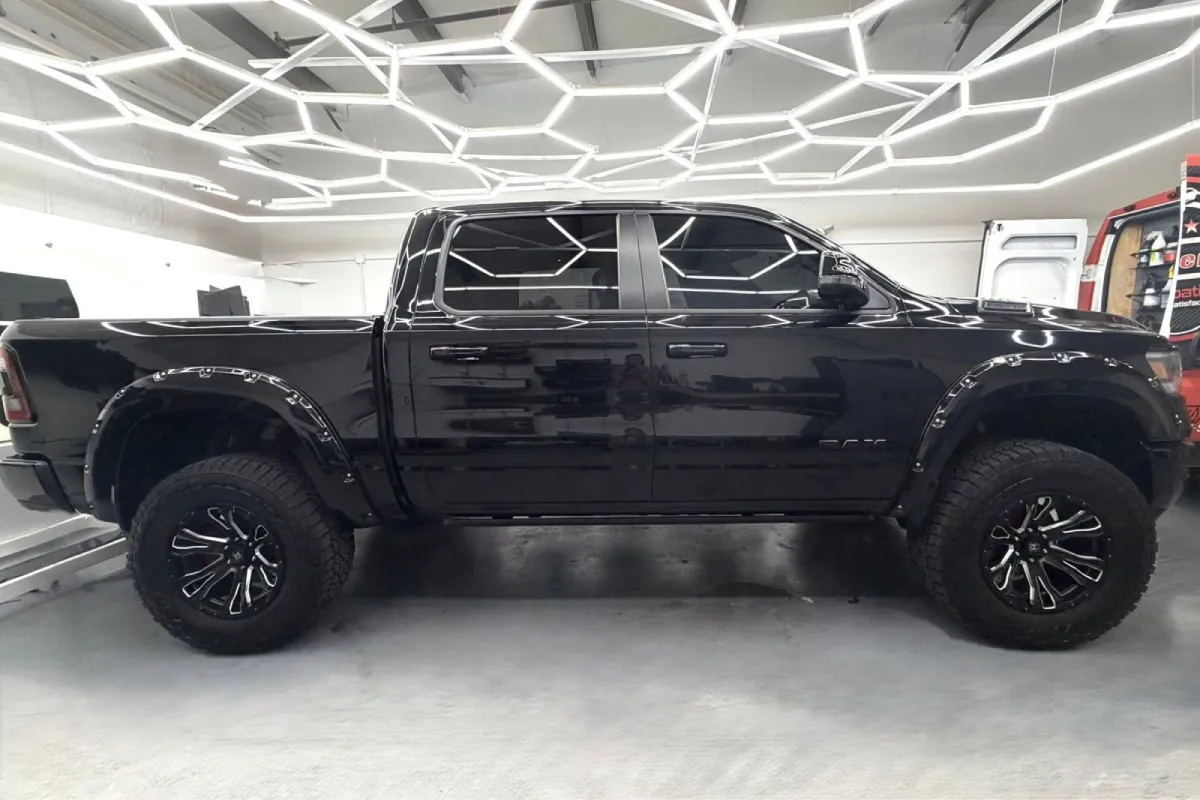
Window Tinting
How Do Air Bubbles Form During Window Tint Installation
Air bubbles form during window tint installation primarily due to trapped mounting solution, airborne dust contamination, or poor squeegee technique that fails to seal the

Air bubbles form during window tint installation primarily due to trapped mounting solution, airborne dust contamination, or poor squeegee technique that fails to seal the
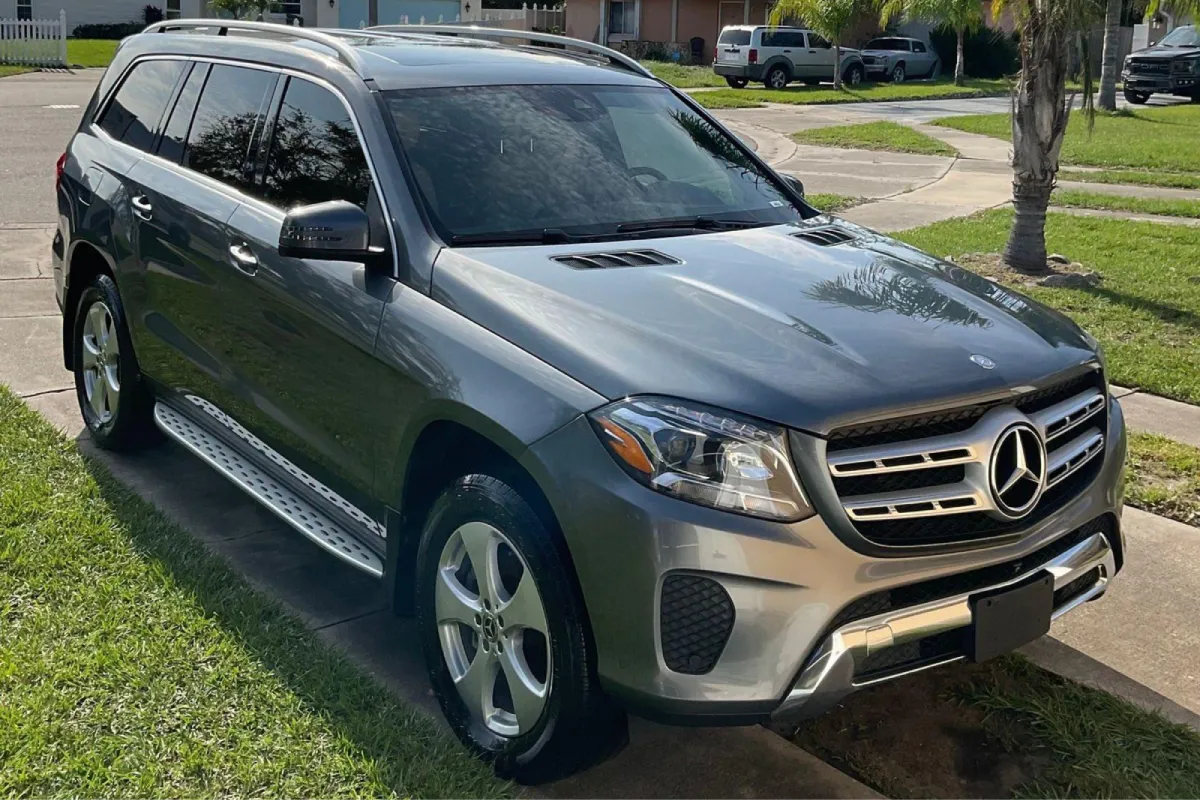
Choosing between DIY paint protection film installation and professional application comes down to a balance of upfront cost, technical skill, and expected durability. While DIY
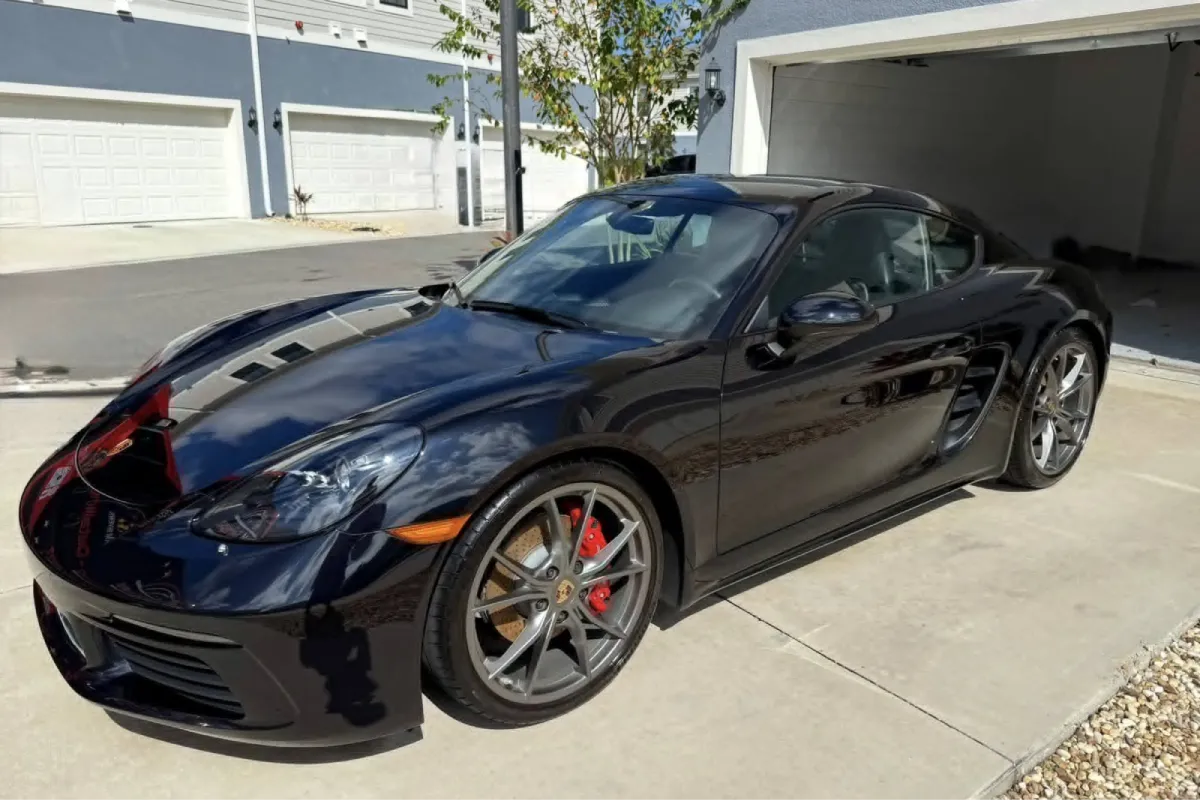
Ceramic coating requires far less maintenance effort than traditional wax or synthetic sealants because it creates a durable hydrophobic layer that repels water, dirt, and
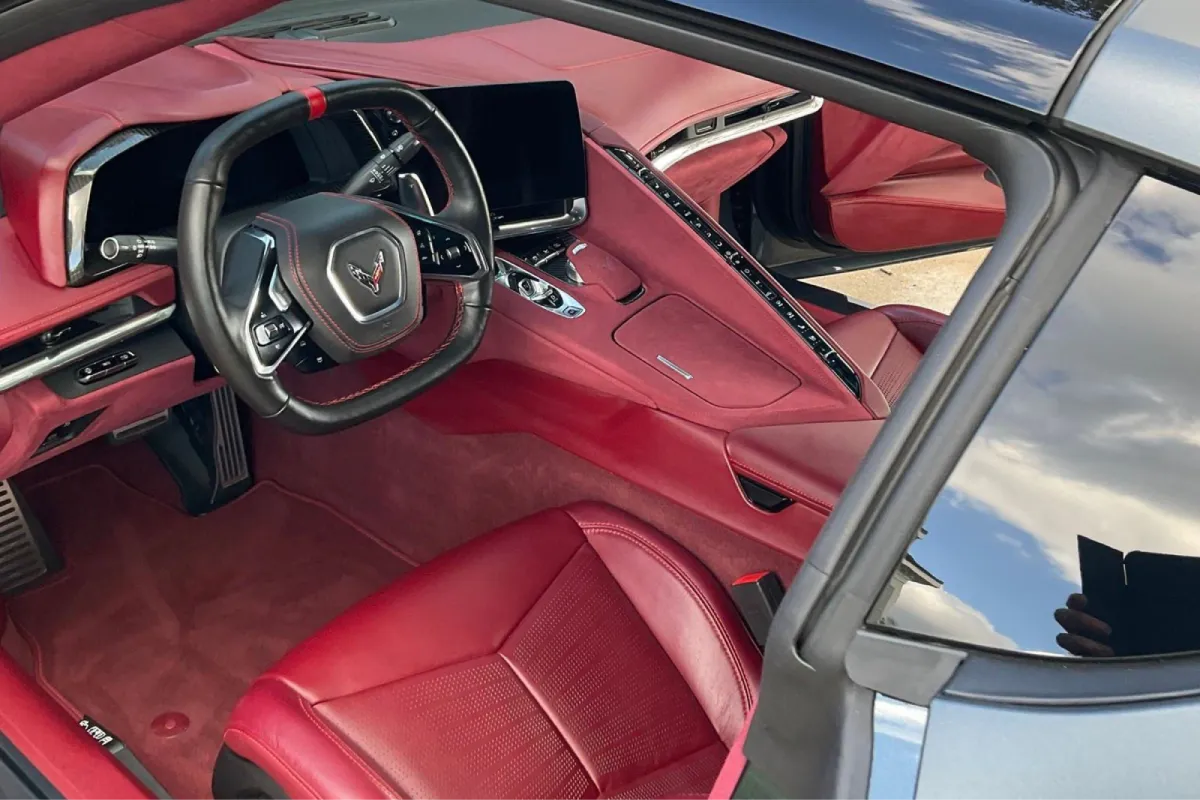
A complete professional car detailing session for a standard sedan typically takes between 4 to 8 hours to complete. This timeframe fluctuates based on the
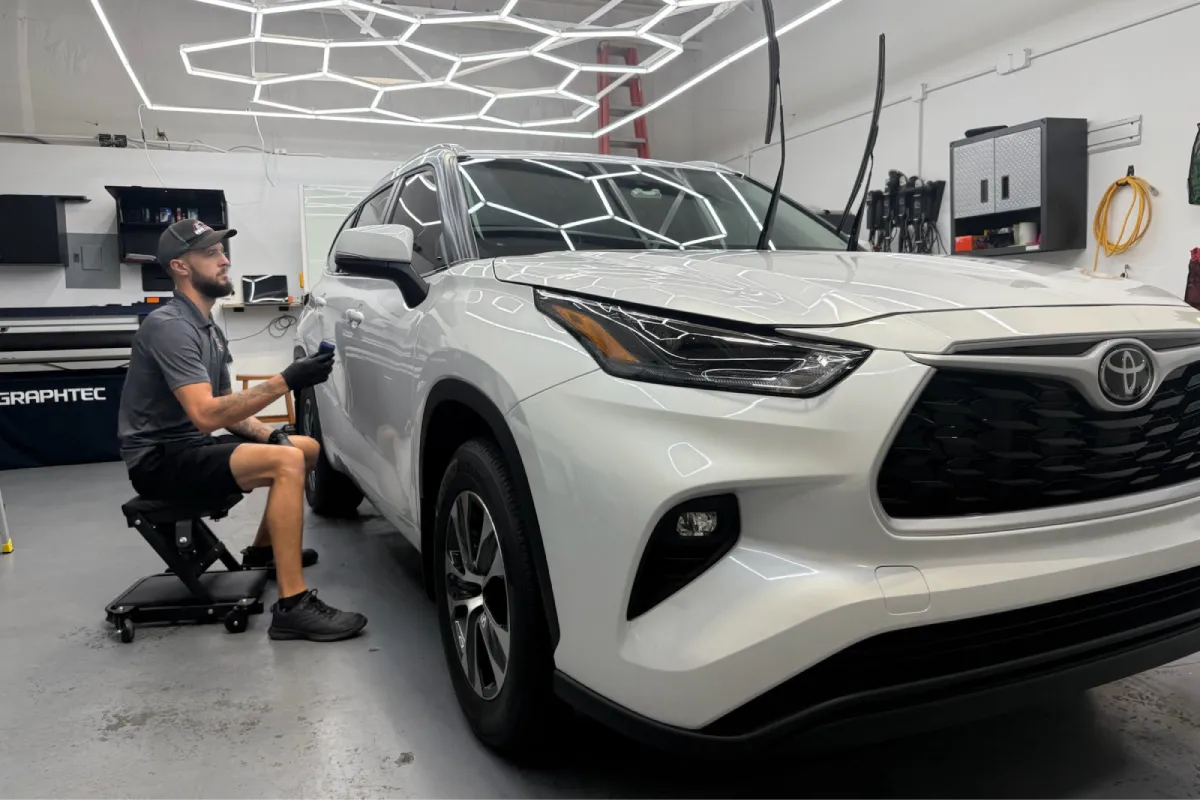
Professional paint correction differs from basic polishing or waxing by physically removing microscopic layers of clear coat to eliminate permanent surface defects like scratches, swirl
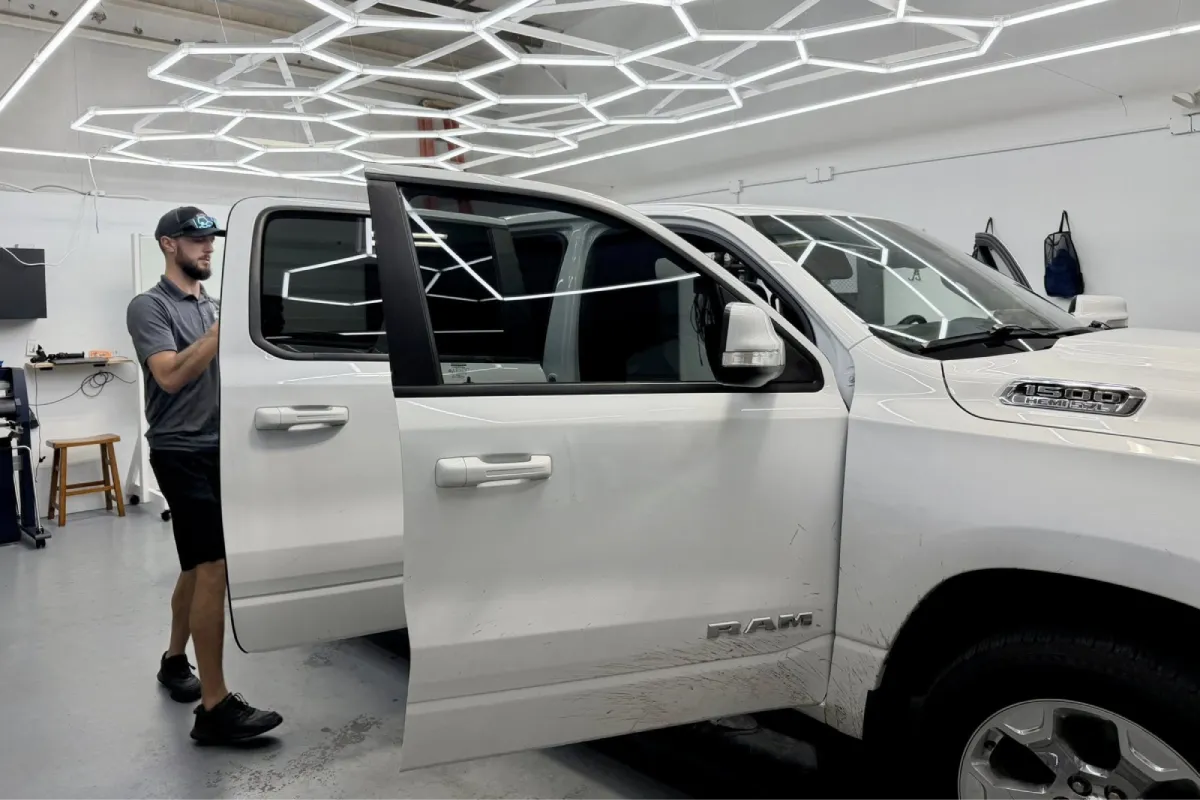
Automotive window tinting reduces interior heat by utilizing advanced multi-layered films to reflect and absorb solar infrared radiation before it penetrates the cabin. By maintaining
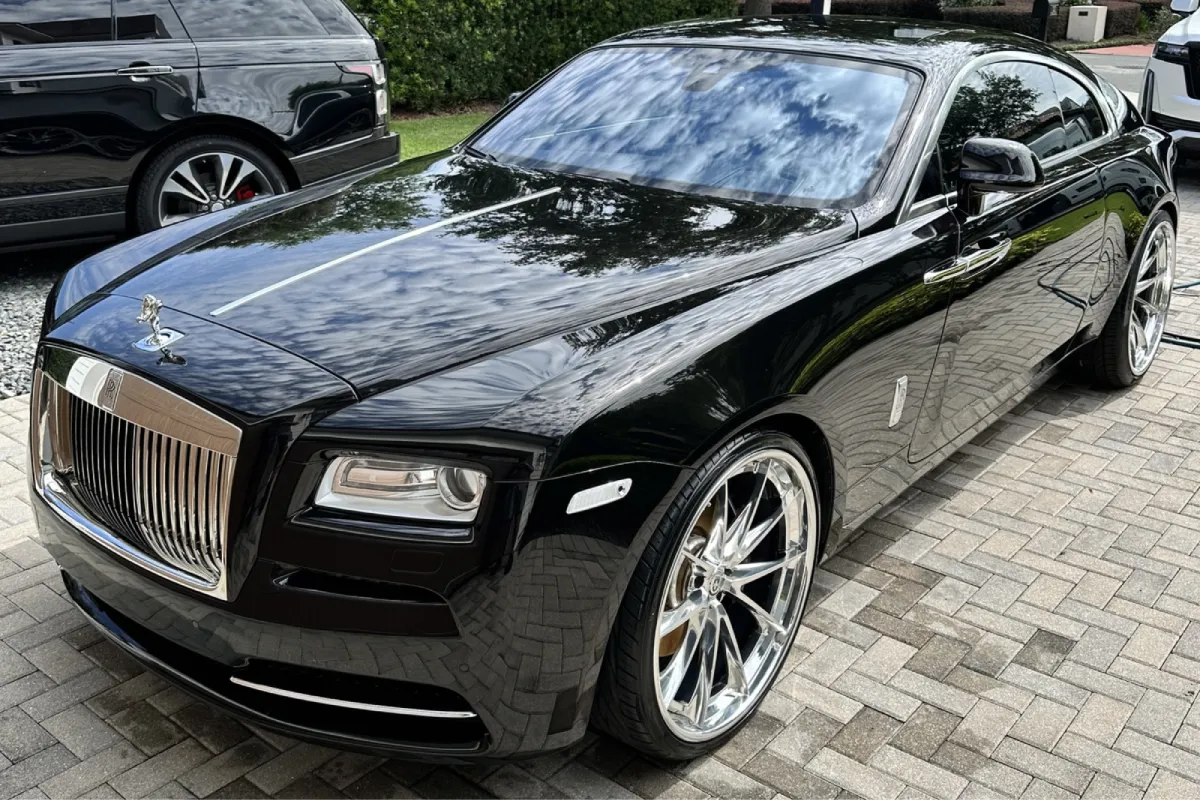
Ceramic coating is absolutely worth it for older cars with factory paint because it chemically bonds to the surface to provide a durable, sacrificial layer
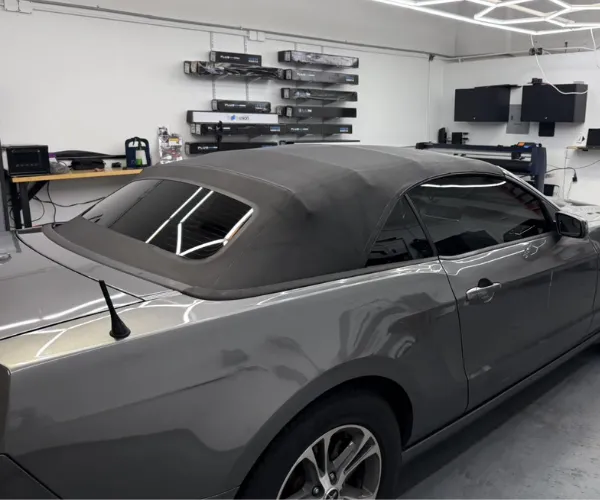
Replacing a single section of damaged paint protection film involves a variable pricing structure that depends primarily on the surface area of the panel and
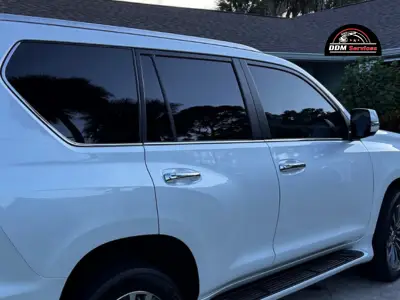
The total cost of a professional window tinting application is primarily determined by the quality and chemical composition of the film material, with a significant
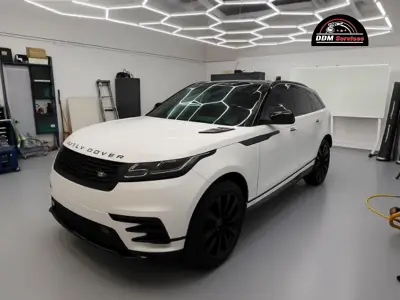
At its core, a ceramic coating acts as a sophisticated liquid polymer that fundamentally alters the physical properties of a vehicle’s exterior. By utilizing a
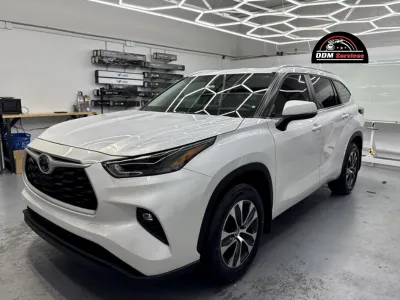
High-end ceramic paint typically dissipates surface heat better than vinyl wrap due to its lower thermal mass and higher emissivity. While vinyl acts as a
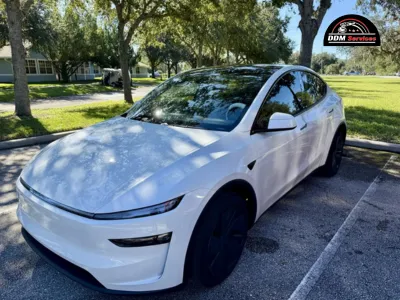
Paint protection film offers a superior level of defense because it creates a thick, physical polyurethane barrier that absorbs impact and self-heals, whereas traditional wax